
Water Heaters
Water Heater Leaking From the Bottom: Repair or Replace?
By Hydrosphere PlumbersAugust 5, 2026 6 min read
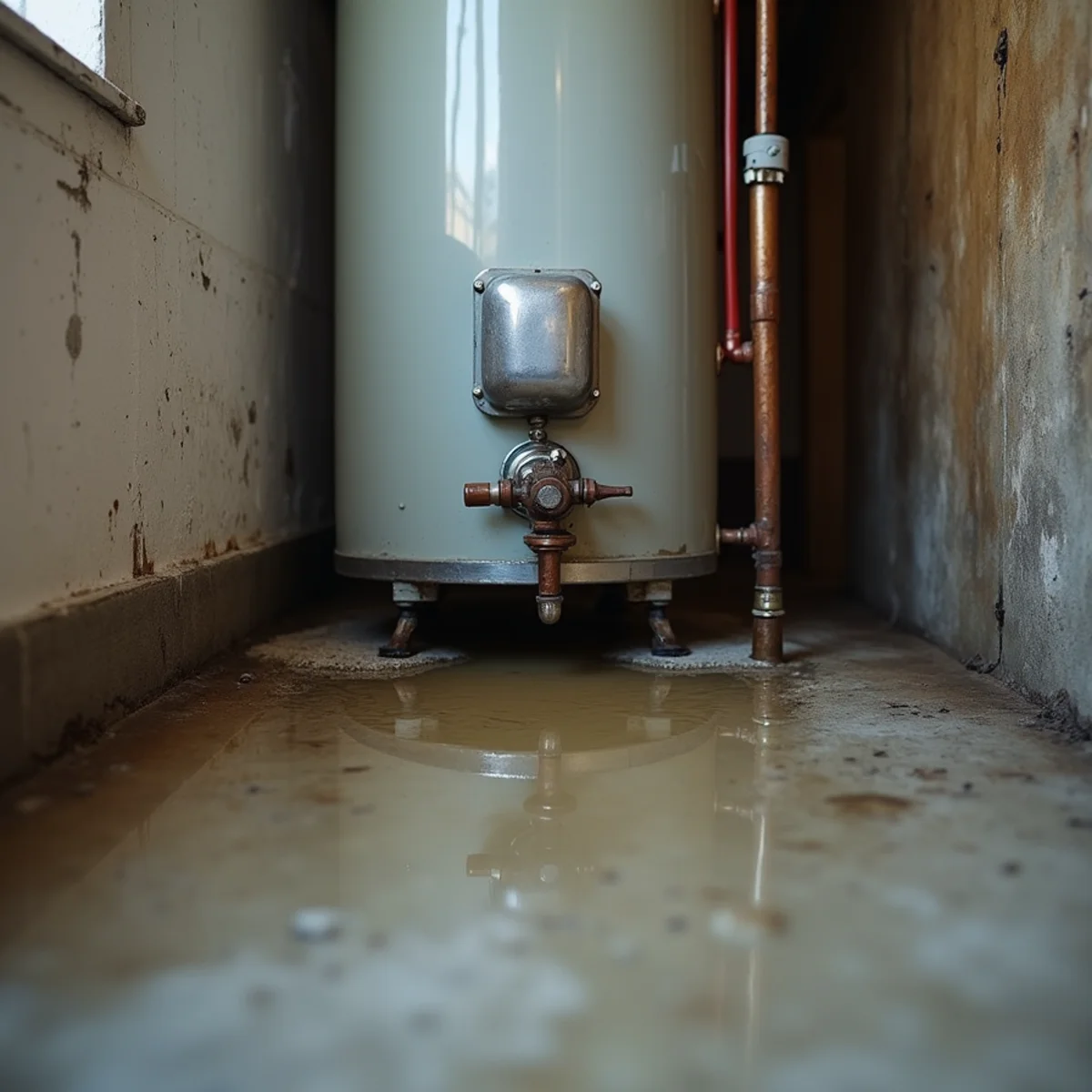
If your water heater is leaking from the bottom, first find the source: water from the drain valve, the temperature-and-pressure relief valve, or a loose fitting can often be repaired, but water weeping from the tank body itself means the tank has corroded through internally and must be replaced — it cannot be repaired. Shut off the water supply and the gas or power to the unit, and have it diagnosed. Most tanks last 8 to 12 years, so age is a big factor in the decision.
Finding a puddle under the water heater in a Clark or Westfield basement is a stomach-drop moment — is this a quick fix or a new tank and a big bill? The good news is that not every bottom leak means replacement. The answer depends entirely on where the water is actually coming from, and you can narrow it down before the plumber arrives.
First, make it safe
Before diagnosing, shut off the cold water supply to the heater (the valve on the pipe entering the top). For a gas unit, turn the gas control to "off" or "pilot"; for an electric unit, switch off its breaker. This stops the tank from refilling and heating while you sort out the source, and it is the safe starting point whether the fix is a repair or a replacement.
Find the source of the leak
Dry the area, then watch where water reappears. There are four common sources, and only one of them means a new tank:
- The drain valve at the bottom: if this spigot drips, it may just need tightening or a cap, or replacing — a repair.
- The T&P (temperature-and-pressure) relief valve and its discharge tube: a valve that weeps may be doing its job (relieving pressure) or may be faulty — often a repair, but it signals a pressure issue to check.
- The inlet/outlet connections at the top: loose or corroded fittings can drip down the side and pool at the base — usually a repair.
- The tank body itself: water weeping or rusting through the steel tank at the bottom — this cannot be repaired and requires replacement.
When it is a repair
If the water is coming from the drain valve, a loose fitting, or the T&P valve — and the tank itself is sound — the fix is usually a straightforward repair: replacing the valve or fitting. A T&P valve that keeps discharging is worth investigating, because it can point to excessive pressure or temperature that an expansion tank or adjustment should address, especially on a closed system. That is a fix, not a new heater.
When it is a replacement
If the water is weeping from the tank body itself, the internal tank has corroded through and there is no repair — the tank must be replaced. This is the most common reason for a bottom leak on an older unit, because the steel tank slowly corrodes over its life. Once it perforates, it only gets worse, so a leaking tank body means planning a replacement promptly before it fails completely and dumps 40-plus gallons onto the basement floor.
Let age break the tie
When a repairable part fails on an older tank, age helps you decide. Most conventional water heaters last about 8 to 12 years in New Jersey water. If a repairable valve fails on a 3-year-old tank, repair it. If the same part fails on an 11-year-old tank, you are likely to be back soon for the tank itself — so replacement is often the better value even when a repair is technically possible. A plumber will give you both prices so you can weigh it.
If you replace: do it right for an older basement
Because these tanks sit in Westfield-area basements, a replacement is the moment to bring the install up to current code: a drain pan piped to a safe location, a thermal expansion tank where required, correct T&P discharge piping, and safe venting into an older chimney. Water-heater replacement commonly requires a permit and inspection in Westfield, and we confirm the requirement and handle it. Our water heater page covers tank vs. tankless and sizing.
When to call
If you cannot identify the source, or the tank body is leaking, call Hydrosphere Plumbers at (858) 363-8298 — we answer 24/7 and serve Clark, Westfield and the surrounding towns. We will find the source, give you the repair and replacement prices, and — if it is time for a new unit — size and install it correctly for your basement.