
Insurance & Claims
Does Homeowners Insurance Cover Sewer Backup and Burst Pipes in New Jersey?
By Hydrosphere PlumbersJune 3, 2026 7 min read
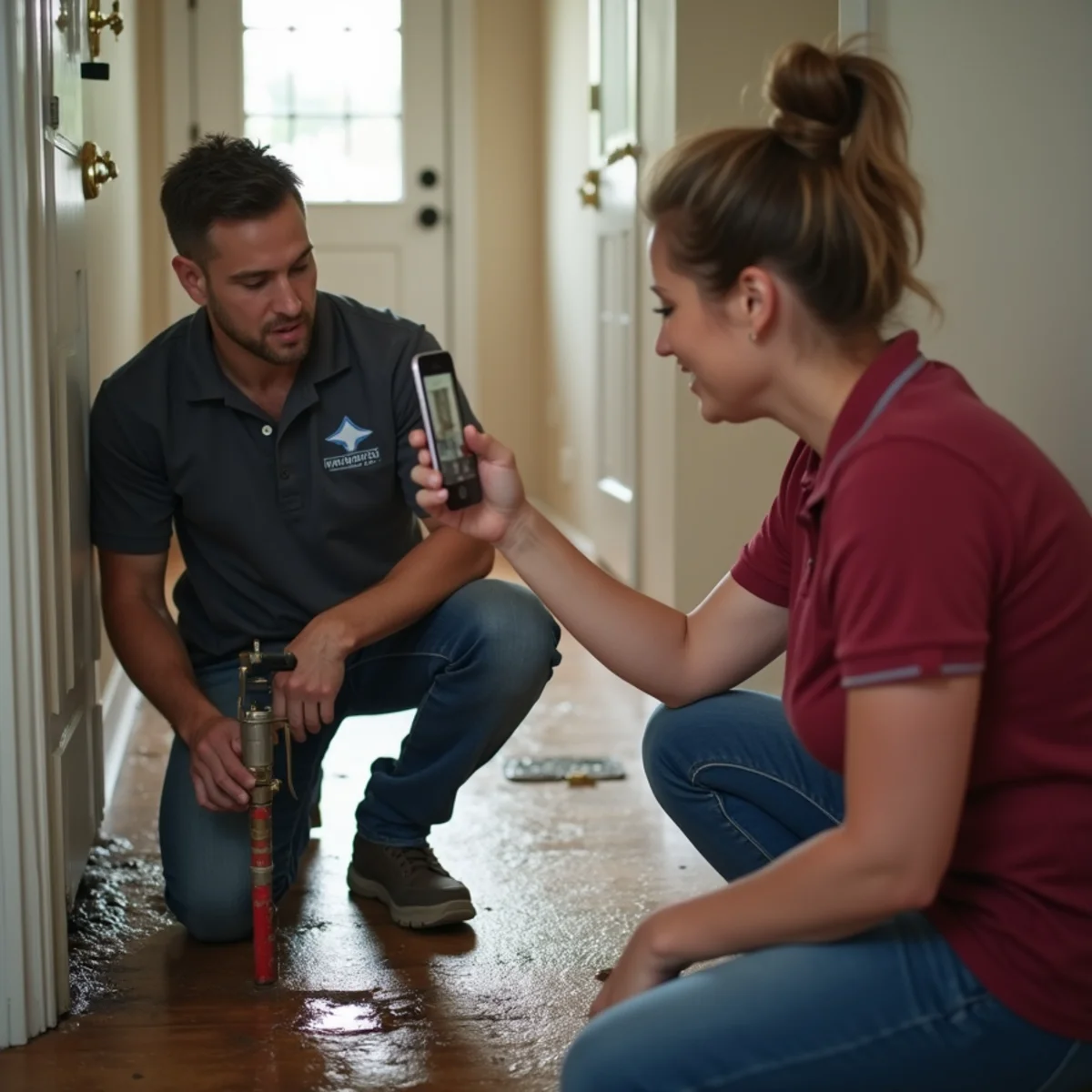
In New Jersey, a sudden burst pipe is often covered by a standard homeowners policy, but a sewer or drain backup is usually excluded unless you have added a specific backup endorsement. Coverage always depends on your policy, the cause and the exclusions. Whatever the cause, document the source and damage with dated photos, keep the plumber’s written report and invoice, and ask your insurer before discarding materials — the insurer decides coverage, and your documentation is what supports the claim.
Two of the most common water emergencies in older Westfield-area homes — a burst pipe and a sewer backup — are treated very differently by homeowners insurance. Understanding the distinction before it happens, and documenting the right things when it does, is what determines whether a claim is paid. This is general information, not policy or legal advice; your insurer and your specific policy govern.
Burst pipes: often covered, with conditions
A sudden, accidental burst pipe — the classic frozen-and-split pipe in a Westfield winter — is frequently covered by standard homeowners policies for the resulting water damage. The key words are sudden and accidental. Insurers commonly draw a line at damage that resulted from neglect or long-term, gradual leaking: a pipe that had obviously been dripping for months, or damage from a home left unheated, may be denied. Freezing damage is sometimes covered only if you took reasonable steps to keep the heat on.
Sewer and drain backups: usually a separate endorsement
Here is where many homeowners get caught. A sewer or drain backup — sewage or water backing up into the basement through the floor drain — is typically excluded from the base homeowners policy. Coverage generally requires a specific "sewer and drain backup" or "water backup" endorsement added to the policy, often for a modest additional premium. If your home is in a flood-prone river town like Cranford or Springfield and you have never added this endorsement, now is the time to check.
Flooding from outside — rising surface water, an overflowing river — is a different category again, generally excluded from homeowners policies and covered only by separate flood insurance. A backup endorsement covers backups through your plumbing, not surface floodwater.
What to document for any water claim
Regardless of the cause, the same documentation supports your claim. Do this before cleanup, once the area is safe:
- Dated photos and video of the source and all affected areas
- Model and serial numbers of any appliance involved (water heater, sump pump, fixture)
- The positions of your main and appliance shut-off valves
- A record of affected materials, rooms and the approximate spread of water
- The plumber’s written diagnosis, scope, invoice and test results
- Moisture readings, drying logs and removal records
- Your claim number and the adjuster’s instructions
The claim workflow that protects you
- 1Make the area safe and stop the plumbing source if you can.
- 2Photograph conditions before moving or discarding anything, when safe.
- 3Notify your insurer promptly and ask what documentation and vendors it requires.
- 4Get a plumber’s written diagnosis, scope, invoice and testing record.
- 5Begin drying within the EPA’s 24- to 48-hour window to limit mold, following recognized water-damage procedures.
- 6Ask the insurer before discarding damaged materials.
- 7Keep permit, inspection, warranty and final-cleanup records with the claim file.
Keep plumbing and restoration records separate
One practical tip: keep the plumbing repair records (what failed and how it was fixed) separate from the restoration records (drying, drywall, flooring). The plumber documents the plumbing cause and the completed repair; the insurer decides coverage of the damage. Clean, separated documentation makes both easier to process and reduces back-and-forth with the adjuster.
How a plumber helps your claim
A licensed plumber’s written report — identifying the cause, the scope of the repair and the testing done — is one of the most useful documents in a water claim, because it establishes what actually happened. Hydrosphere Plumbers can provide that documentation for the plumbing side of your claim. Call (858) 363-8298. For coverage questions, your insurer has the final say.